
February 2026 - Notes on Italian History
What has caught my attention this month

History is a field that is constantly revised through new discoveries, methods, and questions. What we believe we know today is only provisional: tomorrow, it can be confirmed, or rewritten.
That is what draws me to history: its ability to renew itself over time.
I try to keep myself updated on recent research connected to Italy’s past as a way of staying close to this process.
This selection brings together a small number of articles and studies that caught my attention over the past weeks. It is not meant as a comprehensive overview, but as a personal, curated snapshot of ongoing research and occasional findings.
A Signed Anguissola Reappears After Half a Century
In 1552, a young Sofonisba Anguissola signed and dated a portrait of an unnamed clergy member, his hand resting on the open Gospel of John, a dark eagle lifting the book from the page.
Known for decades only from a 1920s black-and-white photograph in the Frick archive, the painting resurfaced from a private collection in North Carolina, and reappeared this winter in New York.
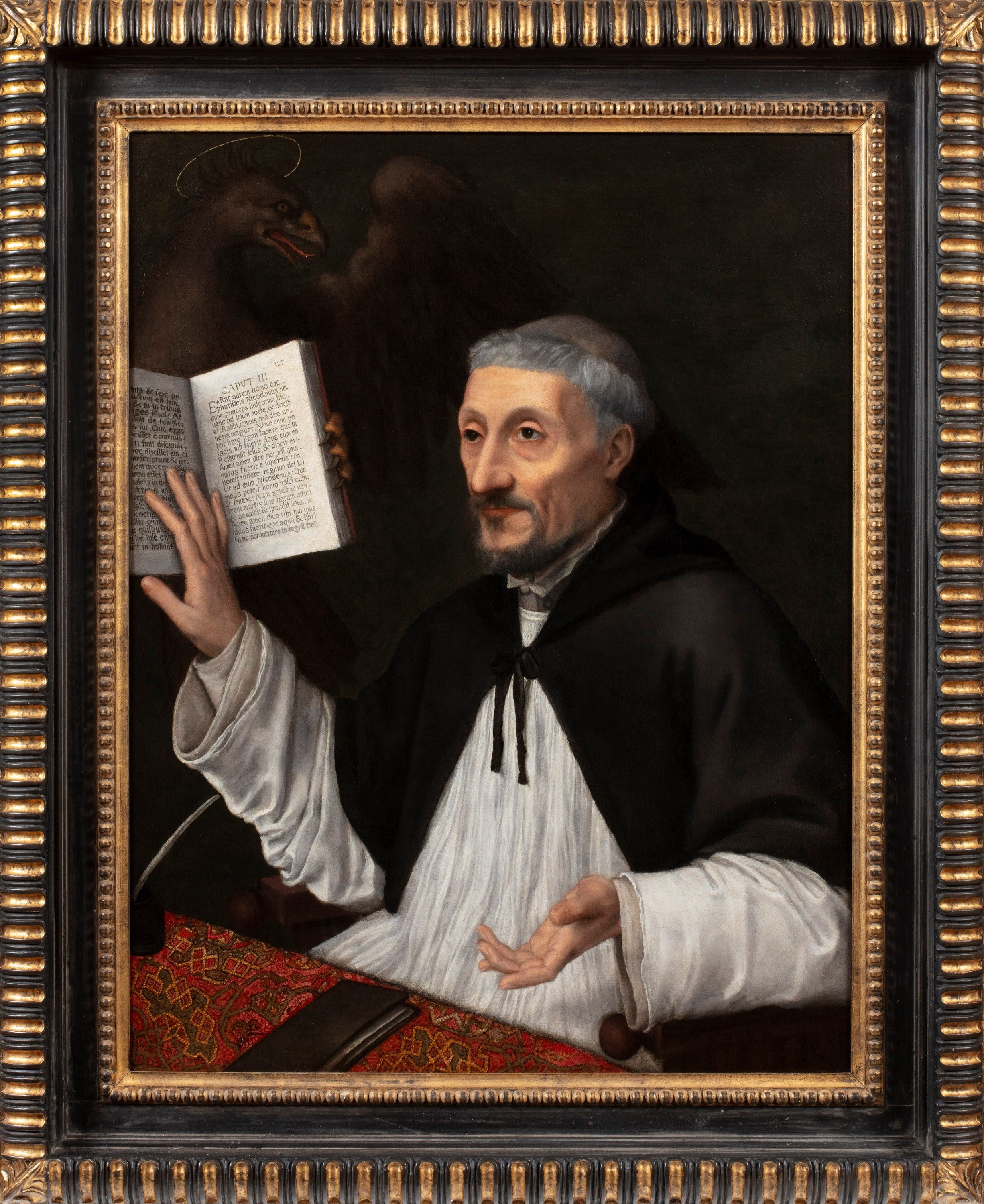
Portrait of a Canon Regular (1552), by Sofonisba Anguissola.
Garum Cargo in the Ionian Sea: A Roman Wreck off Gallipoli
In June 2025, divers off Gallipoli in Puglia located a Roman navis oneraria resting deep in the Ionian Sea, its hull still outlined by rows of amphorae. Many remain sealed and filled with garum, the costly fish sauce once shipped across the empire’s trade routes.
The site was kept under guard for months before being announced, and it now sits among the most intact traces of Roman commerce yet found in southern Italy.
Exceptional Discovery in the Ionian Sea: Newly Revealed Roman Shipwreck Found off Gallipoli, Italy
Artemisia Gentileschi’s Magdalene Comes to Washington
Around 1625, during her second stay in Rome, Artemisia Gentileschi painted a close, unadorned Mary Magdalene caught in a moment of rapture.
The canvas, long held in private hands and rediscovered in France in 2011, now enters the National Gallery of Art in Washington as its first major work by her.
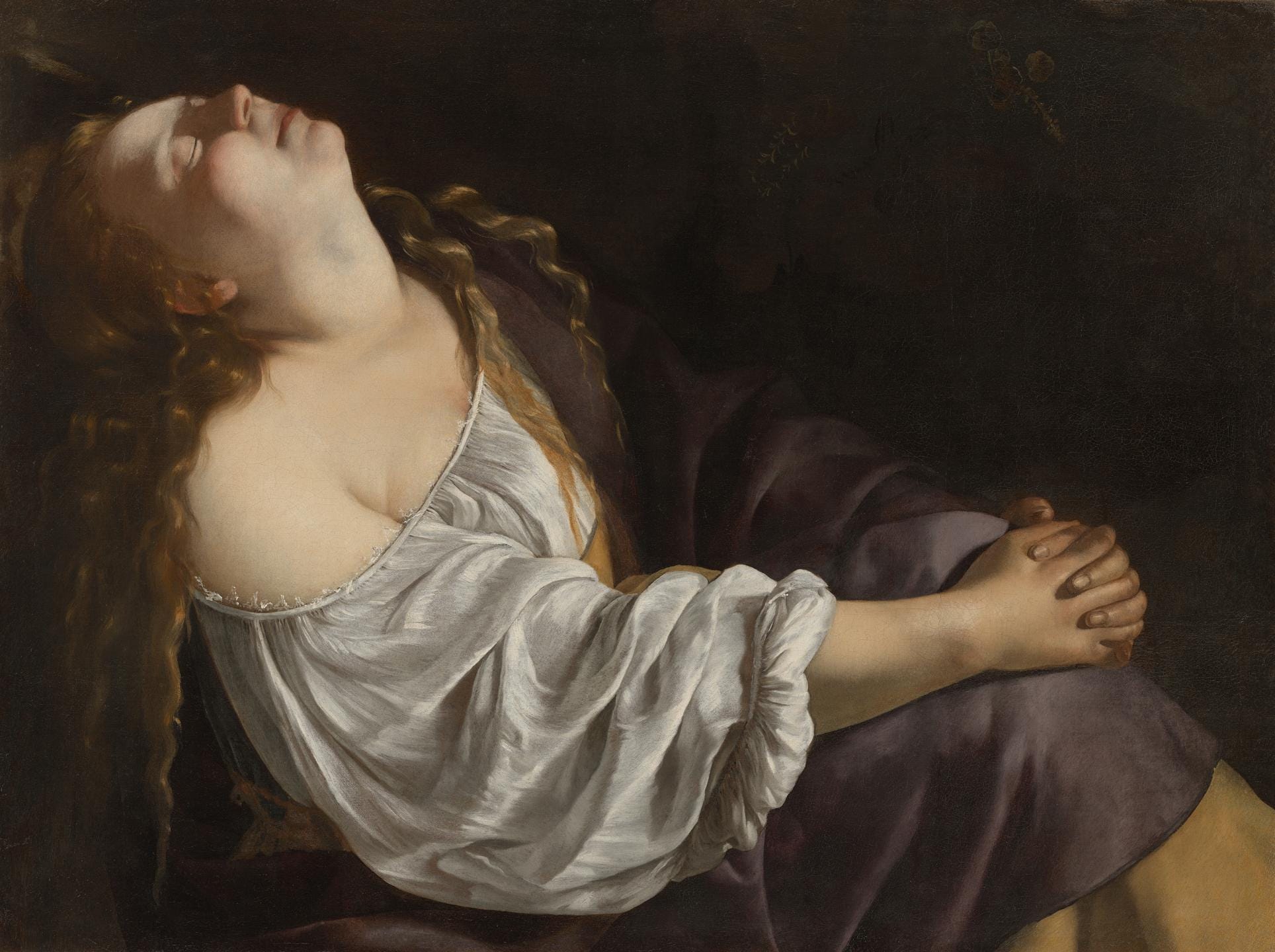
Mary Magdalene in Ecstasy (c. 1625), by Artemisia Gentileschi
Rutland’s Trojan Mosaic
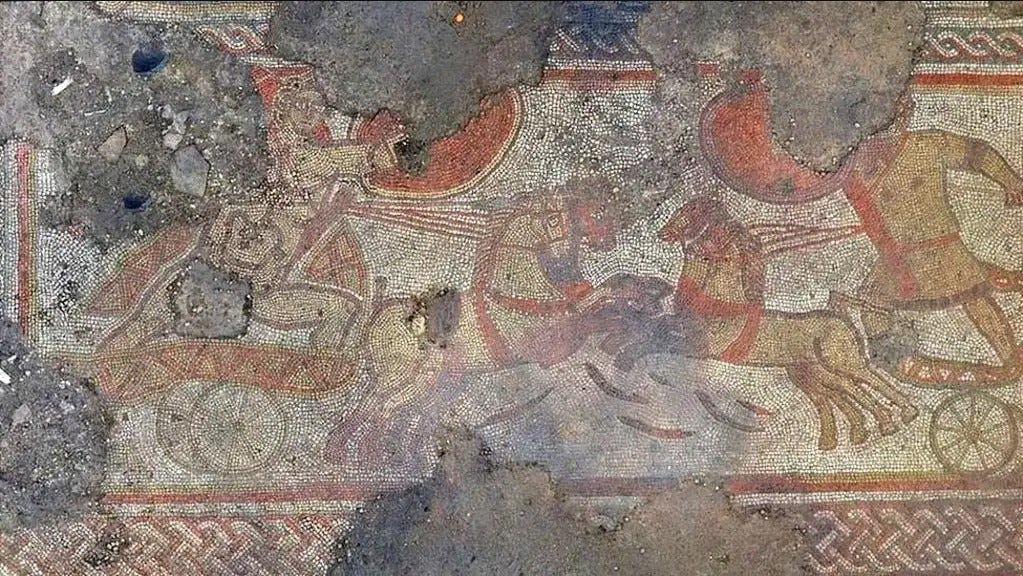
In 2020, during lockdown, a mosaic surfaced on a farm in Rutland: Achilles and Hector locked in scenes that feel familiar, yet slightly askew.
A closer reading links the images not to Homer but to a lost play by Aeschylus, and even to patterns first used on Greek pottery eight centuries earlier.
A villa floor in Roman Britain that seems less provincial than one might have thought…
Troy Story: The Ketton Mosaic, Aeschylus, and Greek Mythography in Late Roman Britain
The First Ecce Homo
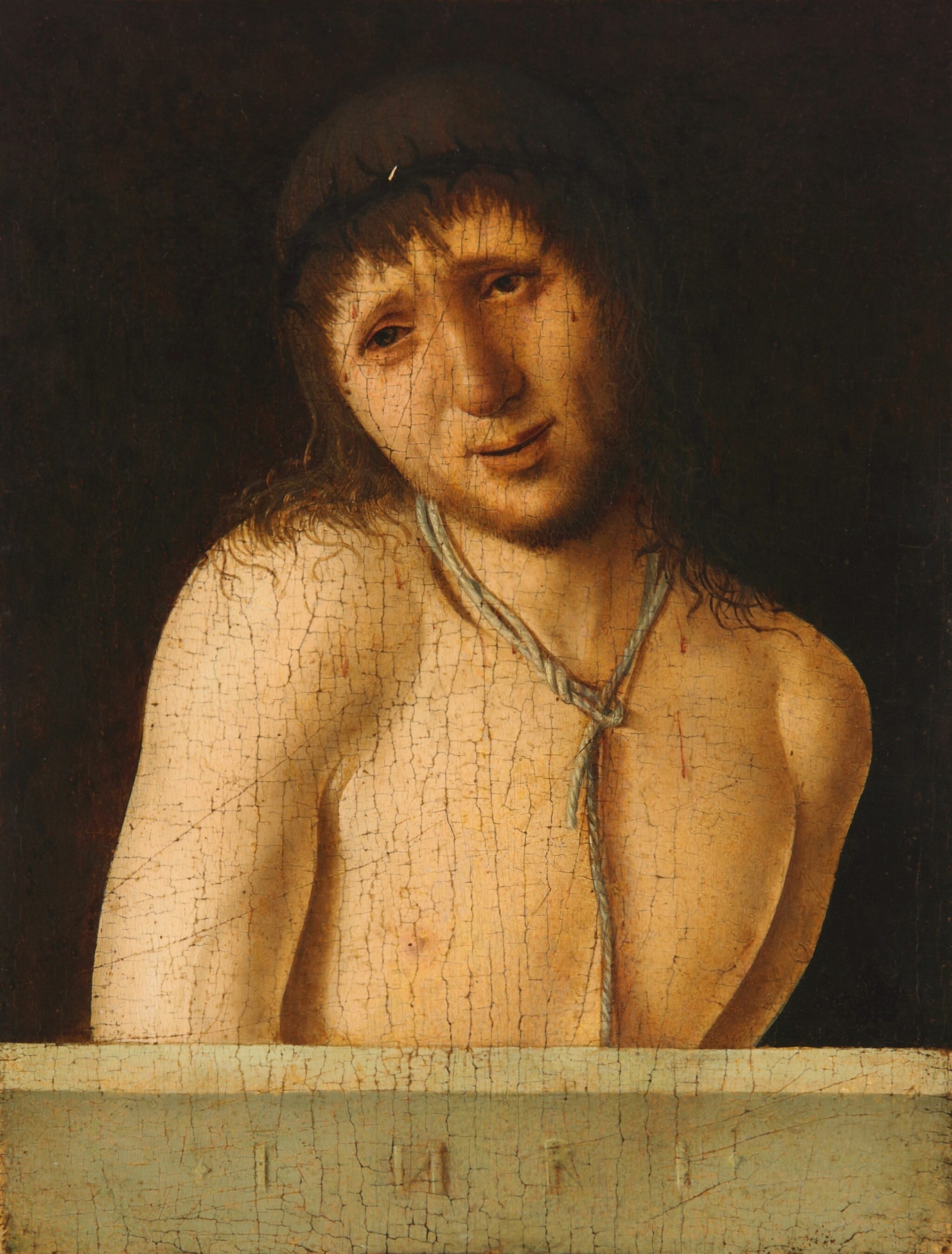
A small poplar panel, painted on both sides around 1460–65, has re-entered the Italian public collections after decades in private hands.
In it, a young Antonello da Messina fixes Christ’s bruised face above a stone ledge, while a worn Saint Jerome kneels on the reverse. This is an object once meant to be held and handled for private devotion.
Seen at the start of a sequence he would revisit throughout his life, the work carries the urgency of a first attempt.
A small panel marking the beginning of the most radical investigation into the face of suffering in the Renaissance: Antonello da Messina’s Ecce Homo, long held in private collections, has now been acquired by the Italian state for $14.9 million.
Read also:
